


A founder asked me something last month I’d never been asked before.
“Can you give me the postal addresses of everyone who didn’t unsubscribe? I want to send them a brochure.”
My first reaction was that it sounded old-fashioned.
My second thought was that he understood something most people don’t.
He wasn’t looking for a faster channel. He was looking for another reason to be remembered, three weeks after the email landed.
Most people are trying to shorten the sales cycle. He was trying to survive it.
THE PHONE HAS THE SAME PROBLEM
Everyone agrees the phone works. Nobody disputes that a real conversation beats an email.
The issue is that most professionals don’t have time to make 60 calls to get 3 conversations. You’re busy doing the actual work, which is the thing clients pay you for.
So the phone gets skipped. Everything goes to email, where you’re one of forty unread messages.
That’s not a strategy. That’s the channel with the lowest friction winning by default.
WHAT WE ACTUALLY RAN
Last month, we ran a voice campaign for a client.
404 prospects. Nobody on their team made a single call.
1 in 10 had a real conversation with the AI; others went to voicemail.
4 asked for pricing, next steps, or a meeting.
Four out of 404 sounds small until you consider that nobody spent an afternoon dialling to get them.
But the number I keep thinking about is the other nine in ten.
The full case study is available here.
THE PART THAT SURPRISED ME
The people who didn’t engage with the call often replied to the email afterwards.
Not because the call worked. Because they recognised the name the second time.
Voice isn’t a replacement for email. It’s what makes email land.
That’s the same thing the brochure founder understood. Another touchpoint isn’t about that touchpoint converting. It’s about the next one having somewhere to land.
THE QUESTION EVERYONE ASKS
“What about the Do Not Call Register?”
Fair question, and it matters more than most people think.
The Register covers marketing calls to individuals. Business calls to a public business number sit differently. Being different is not the same as ignoring it.
You still need a reason to call, clear identification, and a straightforward way to be told to stop.
Most people either avoid the channel out of fear or use it badly. There’s a middle option, and it’s not complicated.
NEXT THURSDAY
Free masterclass on how voice actually works. Where it fits alongside email and LinkedIn, what the Australian rules require, what it costs, and when it isn’t worth it.
I’ll play the real recordings. That worked and one that didn’t.
The one that didn’t is the most useful of the four, because it shows you exactly where the channel breaks.
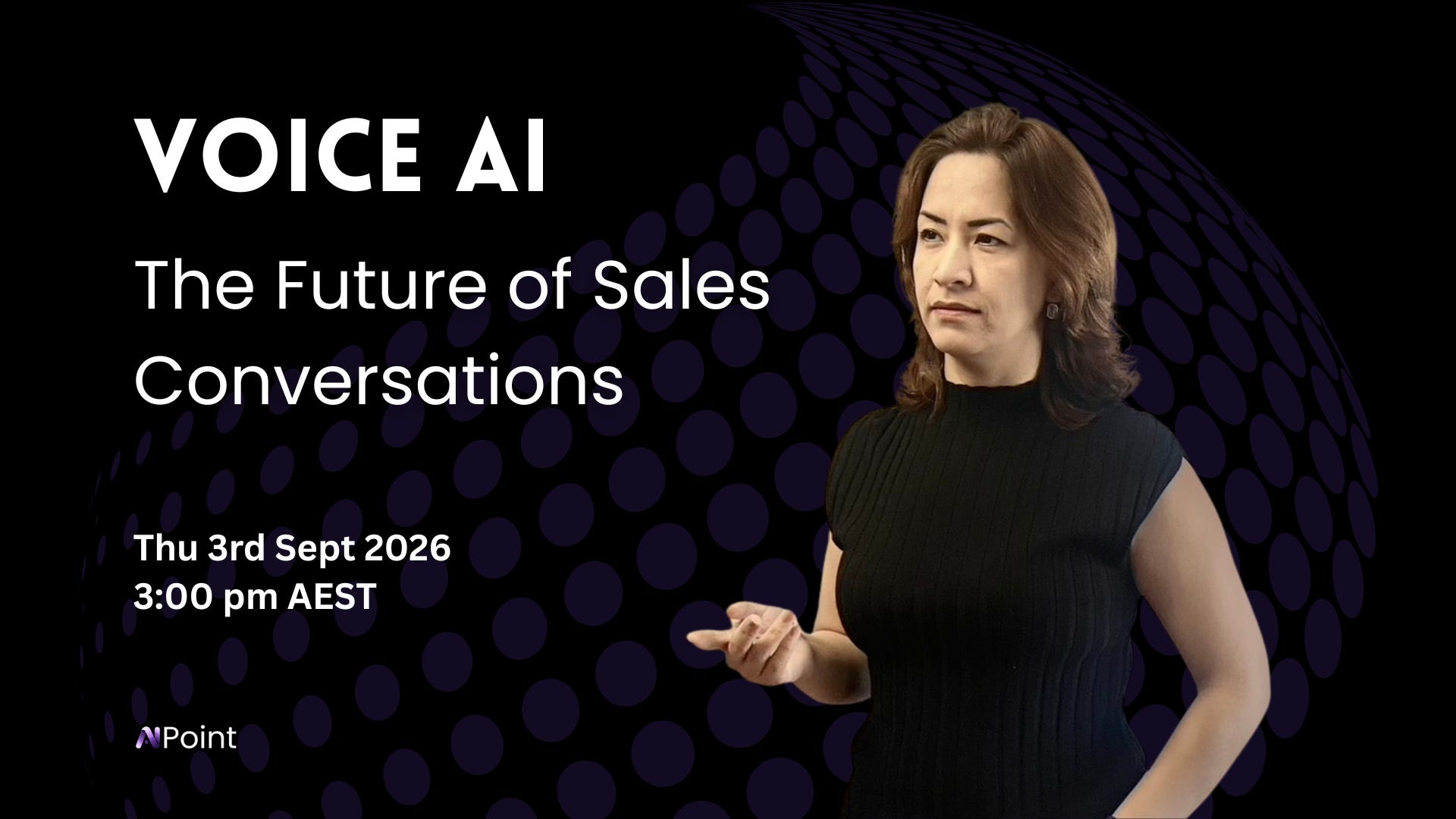
Thursday 3 September, 3pm AEST. 60 minutes, free, live on Zoom.
Register here: https://events.humanitix.com/voice-ai-the-future-of-sales-conversations